
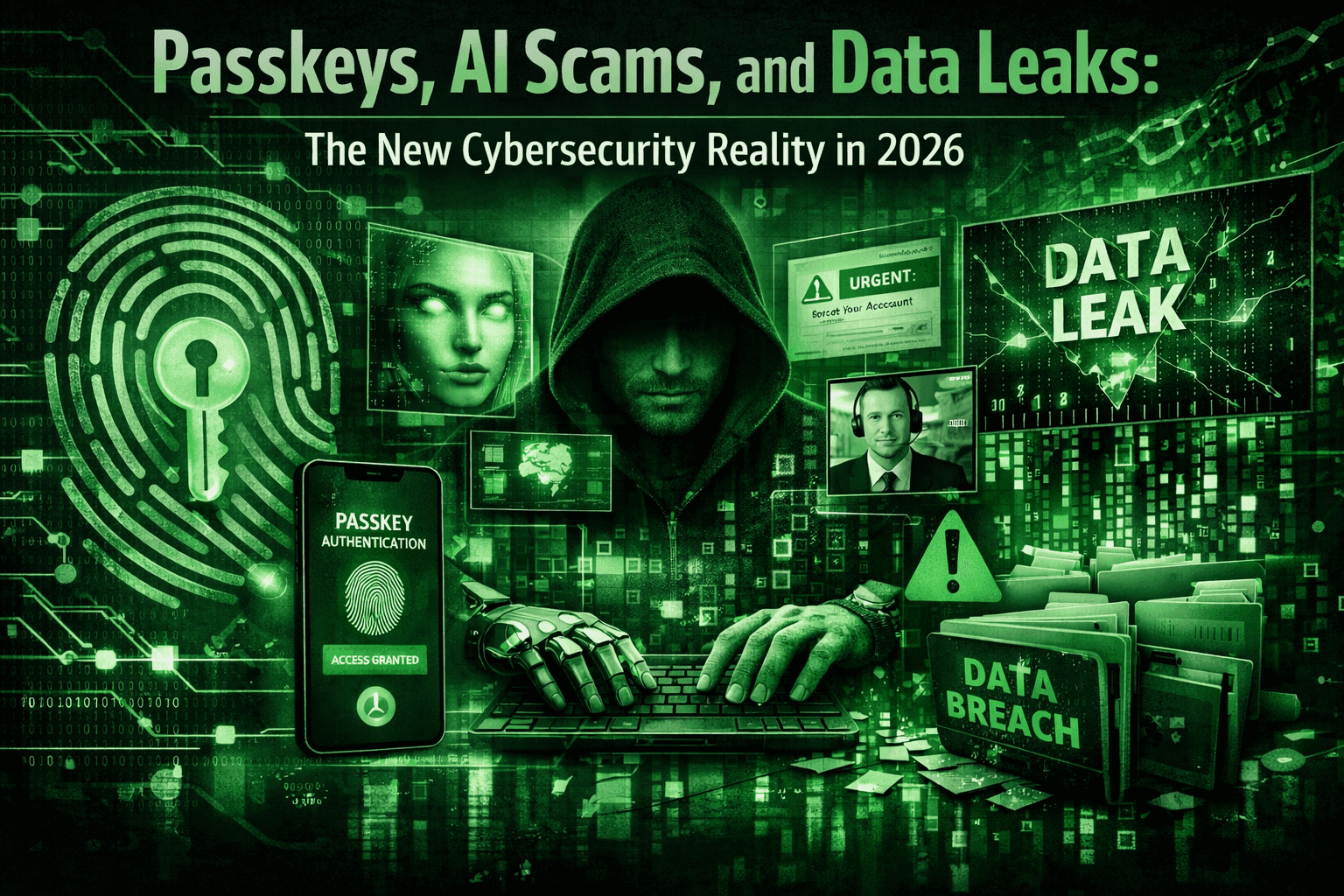
The internet has always been a battleground between innovation and exploitation. In 2026, that battle has intensified.
Cybercriminals now use artificial intelligence, automated attack tools, and massive stolen datasets to target individuals and organizations faster than ever before. Meanwhile, new security technologies like passkeys, biometric authentication, and privacy-first platforms are emerging to counter these threats.
For everyday internet users and tech professionals as well, cybersecurity is no longer optional — it's a survival skill in the digital age.
“The biggest cybersecurity risk today isn’t technology — it’s complacency.”
Let’s explore the biggest cybersecurity trends shaping 2026 and what they mean for you.
1. The Death of Passwords: Why Passkeys Are Taking Over
For decades, passwords have been the weakest link in online security. People reuse them, choose simple combinations, and often store them insecurely.
That’s why tech companies are rapidly adopting Passkeys.
What Are Passkeys?
Passkeys are a passwordless authentication method based on cryptographic keys stored securely on your device.
Instead of typing a password, you authenticate using:
- Fingerprint
- Face recognition
- Device PIN
- Hardware security key
Why Passkeys Are More Secure
| Feature | Passwords | Passkeys |
|---|---|---|
| Phishing resistant | ❌ No | ✅ Yes |
| Stored on servers | ✅ Yes | ❌ No |
| Requires memorization | ✅ Yes | ❌ No |
| Device-based security | ❌ No | ✅ Yes |
Major platforms already supporting passkeys include:
- Apple
- Microsoft
- GitHub
- PayPal
For users, this means faster logins and dramatically improved security.
2. AI-Powered Scams Are Getting Scarily Real
Artificial intelligence has revolutionized productivity — but it has also empowered cybercriminals.
Today’s attackers can use AI tools to create:
- Deepfake voice calls
- Realistic phishing emails
- Fake video messages
- Automated scam chatbots
Example: The Deepfake CEO Scam
In several real-world cases, attackers used AI-generated voice cloning to impersonate company executives and instruct employees to transfer money.
Because the voice sounded identical to the CEO, employees complied.
Losses reached millions of dollars in minutes.
Signs of AI-Driven Scams
Watch out for:
- Urgent payment requests
- Slightly unusual email addresses
- Voice calls requesting sensitive information
- Unexpected video messages asking for money
If a message pressures you to act quickly, pause and verify.
3. Massive Data Breaches Are Still Happening
Despite improved security awareness, data breaches remain a constant threat.
Every year, billions of records are exposed due to:
- Misconfigured cloud storage
- Weak authentication
- Insider threats
- Software vulnerabilities
Once stolen, data is sold on dark web marketplaces.
Common leaked information includes:
- Email addresses
- Passwords
- Phone numbers
- Government IDs
- Financial details
Why Data Breaches Are So Dangerous
Even if you weren't directly targeted, attackers can use leaked data for:
- Identity theft
- Account takeover
- Financial fraud
- Social engineering attacks
That’s why multi-factor authentication (MFA) is critical.
4. Privacy Is Becoming a Global Priority
Governments and technology companies are beginning to take digital privacy more seriously.
Major privacy regulations include:
| Regulation | Region | Purpose |
|---|---|---|
| GDPR | European Union | Protect personal data |
| CCPA | California | Consumer privacy rights |
| Digital Markets Act | EU | Platform accountability |
Meanwhile, companies are adopting privacy-by-design principles:
- End-to-end encryption
- Local data processing
- Transparent tracking policies
Consumers are becoming more aware that their data has value.
5. Practical Cybersecurity Habits Everyone Should Follow
You don't need to be a security expert to improve your online safety.
Here are simple but powerful practices:
Use a Password Manager
It creates and stores strong, unique passwords for every site.
Enable Multi-Factor Authentication
Even if someone steals your password, they can’t access your account without the second factor.
Keep Software Updated
Updates patch vulnerabilities that hackers actively exploit.
Be Skeptical of Links
Phishing links remain the #1 cause of cyber attacks.
Monitor Data Breaches
Services like Have I Been Pwned can notify you if your data appears in a breach.
The Future of Cybersecurity
Cybersecurity is entering a new phase where AI defends against AI.
Emerging innovations include:
- AI threat detection systems
- Hardware-level security chips
- Decentralized identity systems
- Quantum-resistant encryption
In the coming decade, digital security will increasingly rely on automation, cryptography, and user-friendly authentication.
But technology alone isn't enough.
Ultimately, cybersecurity is a shared responsibility between developers, companies, and everyday users.
The safest system is not the most complex one — it's the one people actually use correctly.
The digital world offers incredible convenience, but it also introduces new risks.
Understanding modern threats like AI scams, data breaches, and phishing attacks is the first step toward protecting yourself.
At the same time, innovations like passkeys and privacy-first technology are helping build a safer internet.
Read more
Where Is Stolen Data Typically Bought and Sold? Inside the Dark Web Economy
Where is stolen data typically bought and sold? On dark web markets. Learn how the underground economy works, what data is traded, and how to protect yourself.
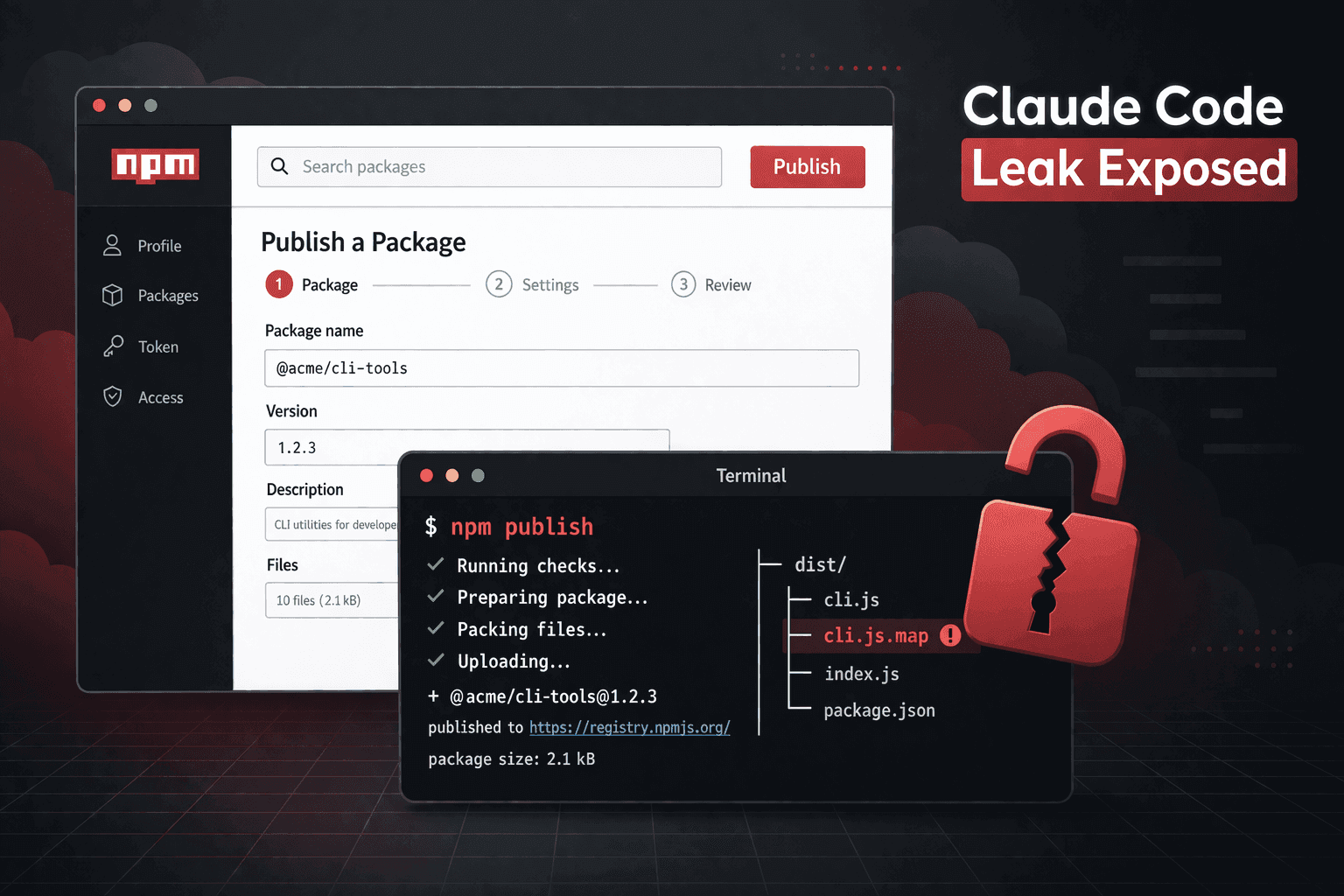
Claude Code Source Code Leak: What Really Happened and Why It Matters
Claude Code’s source code leaked on March 31, 2026 due to a simple npm config error. Learn what happened, how Anthropic responded, and what it means for developers.
The Axios Security Scare: What Developers Need to Know
Learn the truth behind the 2026 Axios security incident: what happened, how to check if you're affected, and the simple steps to stay safe.